



Sentinel Midstream, through its subsidiary Texas GulfLink, is advancing the development of a deepwater crude oil export terminal off the Texas Gulf Coast aimed at supporting large-scale crude exports to international markets.
The Texas GulfLink Deepwater Port project is designed to fully load Very Large Crude Carriers (VLCCs), enabling direct export of crude oil to global customers. The facility will receive crude oil from the Houston market through an onshore pipeline system connected to above-ground storage tanks near Jones Creek.
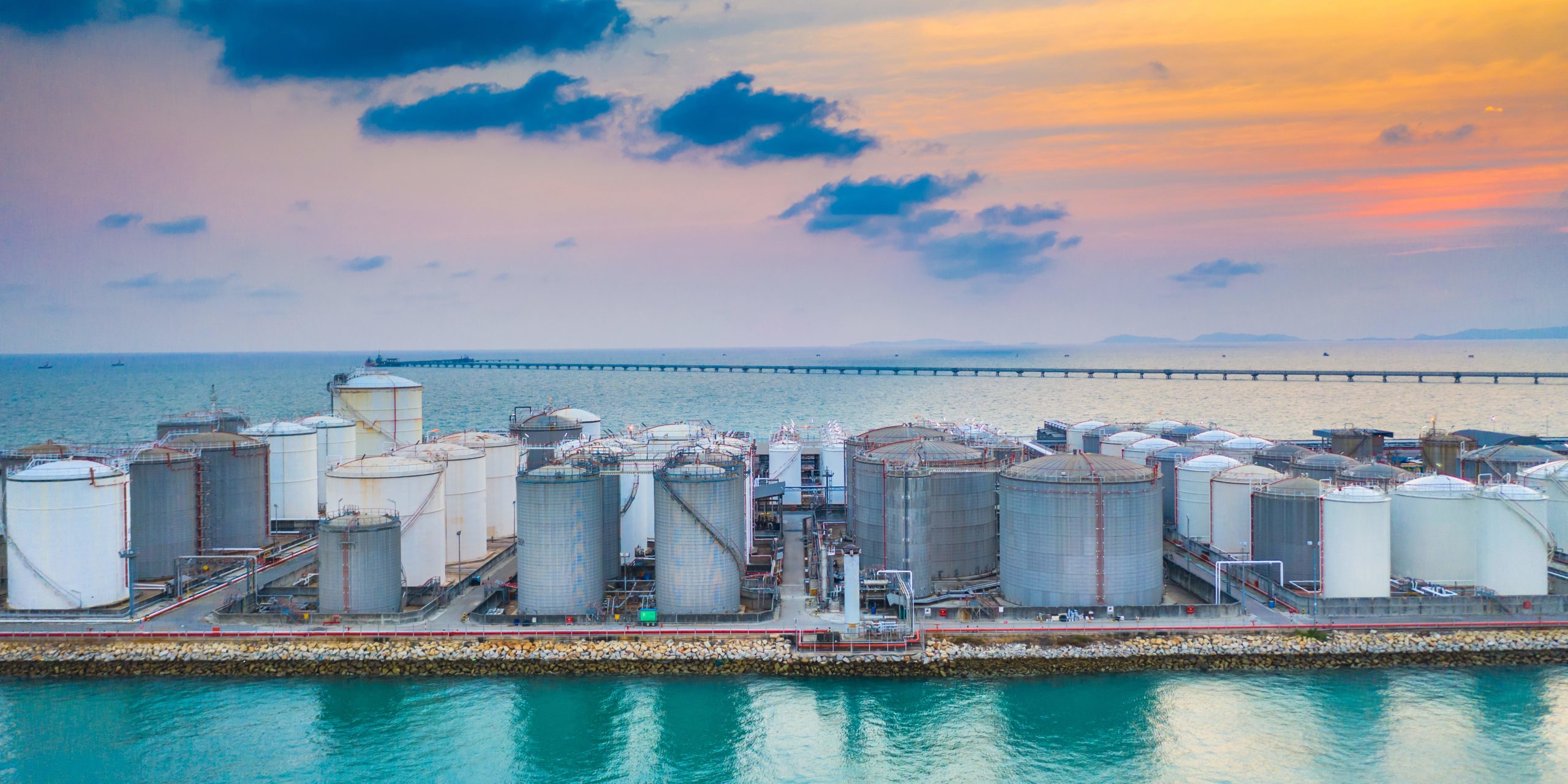
From there, crude oil will be transported via a 42-inch offshore pipeline to one of two floating Single Point Mooring (SPM) buoys located approximately 32 miles offshore near the Freeport area in the Gulf of America.
The SPM buoy system is expected to accommodate VLCCs and other crude oil tankers, with the terminal capable of handling up to two million barrels of crude oil per day. The offshore infrastructure will also include a manned platform equipped with continuous port monitoring systems, custody transfer metering and surge relief capabilities designed to reduce operational and commercial risks for shippers.
According to the company, the offshore platform will also enhance safety, environmental oversight and security throughout terminal operations.
Texas GulfLink received its deepwater port license from the United States Maritime Administration and the United States Coast Guard on January 29, 2026, marking a significant regulatory milestone for the export infrastructure project.
Once operational, the terminal is expected to strengthen U.S. crude export capacity and improve the efficiency of loading large crude carriers along the Texas Gulf Coast.
For more information visit www.sentinelmidstream.com